
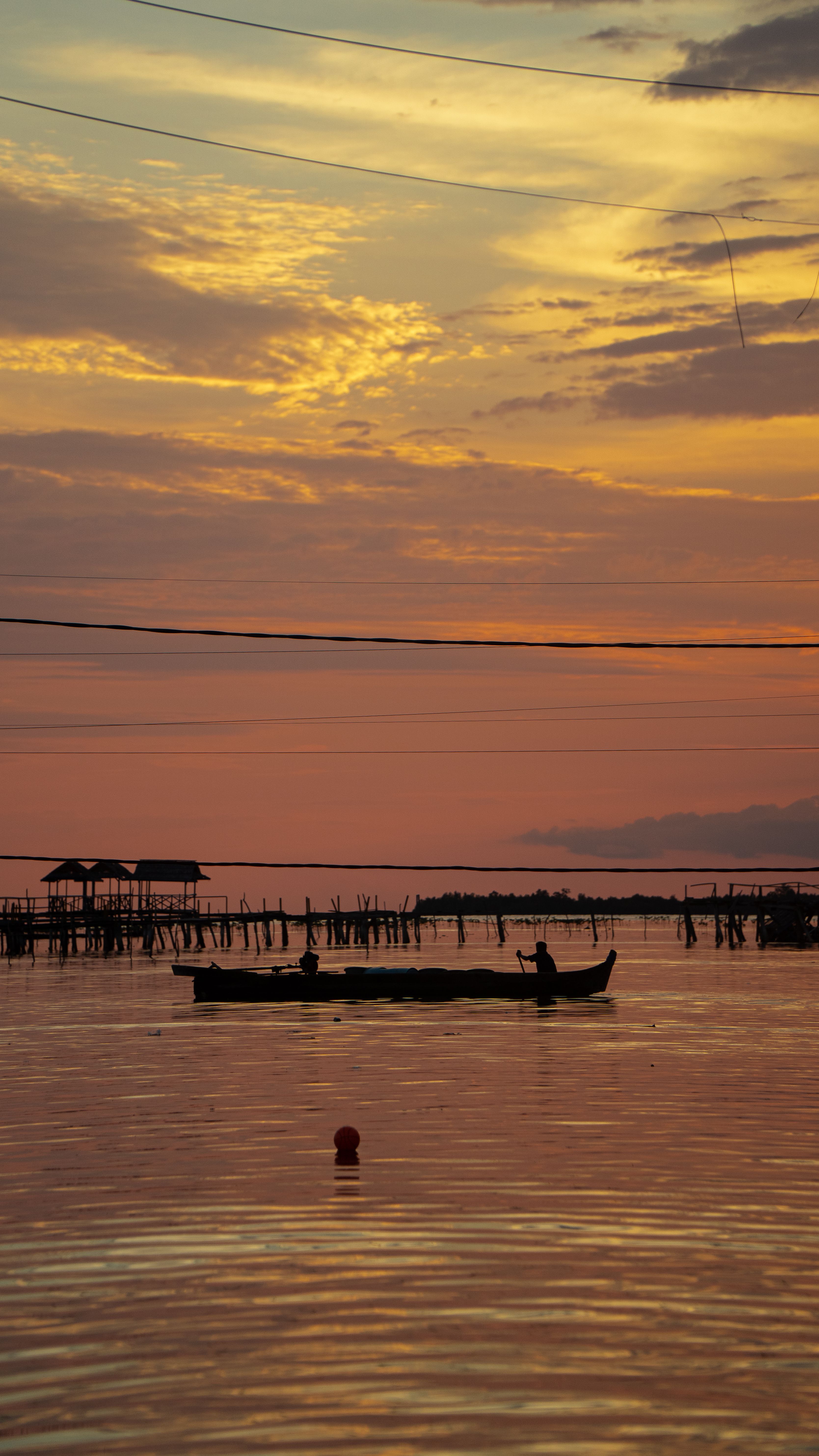
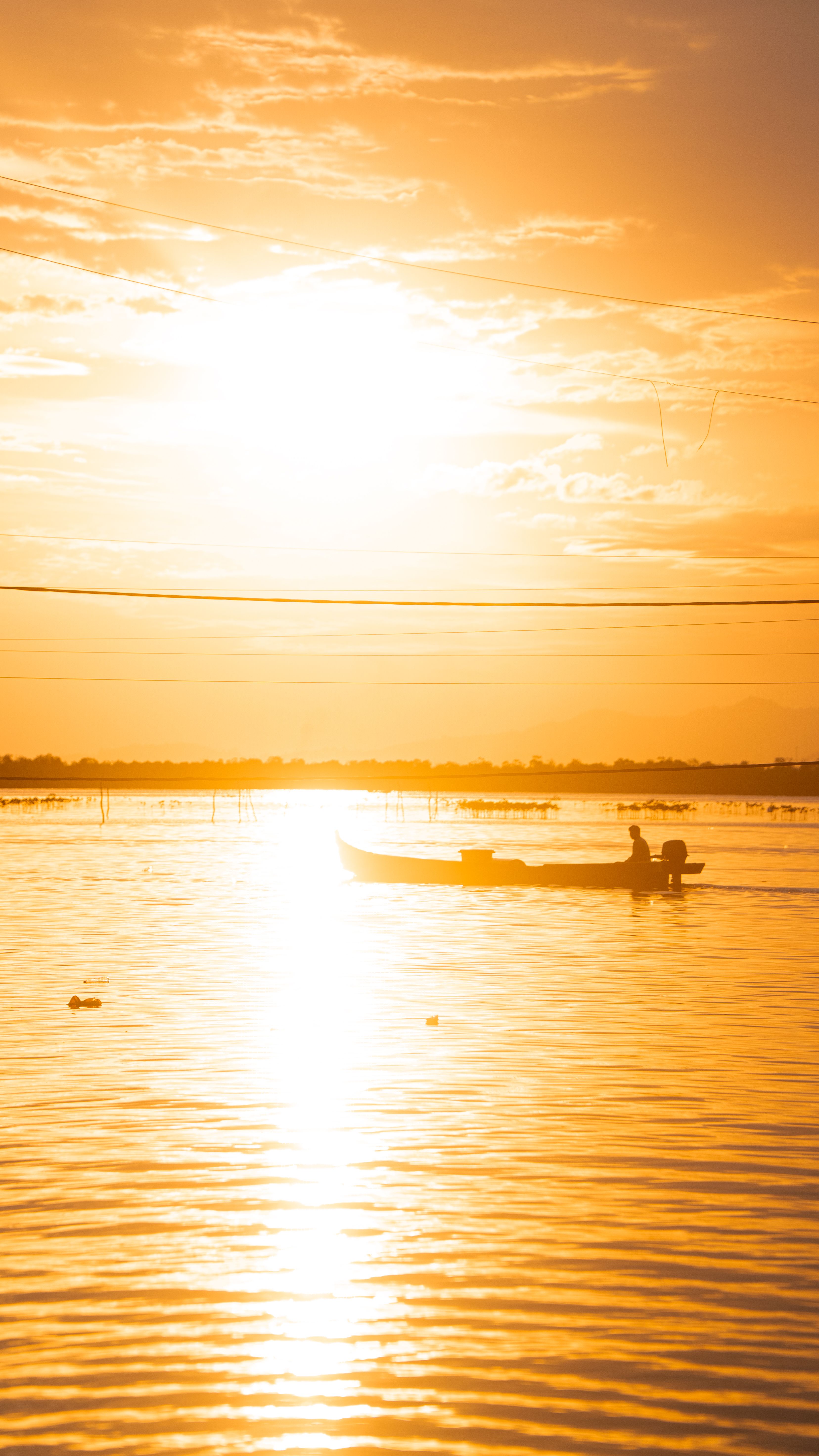
Advancing coastal health through population, clinical, and translational research
We study health across interconnected dimensions to understand how local conditions shape disease, access, vulnerability, and resilience.
Our work translates field observations into community knowledge, policy insight, and responsible action.
Starting small. Designed for broader relevance.SINAR Institute · Angga Yapanto © 2026
Research should begin with listening and return as something useful
Our approach connects careful field research with community interpretation, accessible reporting, and realistic pathways to action.
Listen and Measure
We use structured, context-sensitive methods to understand local health conditions, risks, and priorities without beginning from assumptions.
Return Evidence
Findings are translated into accessible community reports, visual summaries, scientific outputs, and actionable policy briefs.
Enable Action
We support communities, health professionals, and public institutions in identifying focused responses informed by evidence.
Build Capacity
We involve students, young researchers, health workers, and local partners in ethical research, data interpretation, and knowledge translation.
Our flagship coastal health baseline study
TIDE 2026: Torosiaje Integrated Diagnosis and Evidence
TIDE 2026 is SINAR Institute's first flagship community-based coastal health study. The project was developed to establish a structured understanding of health conditions, service access, environmental exposure, and community priorities in Torosiaje. It combines household-level quantitative assessment with selected qualitative inquiry. Its purpose is not only to describe health problems, but also to identify which findings are important, actionable, and locally relevant enough to guide future programmes.
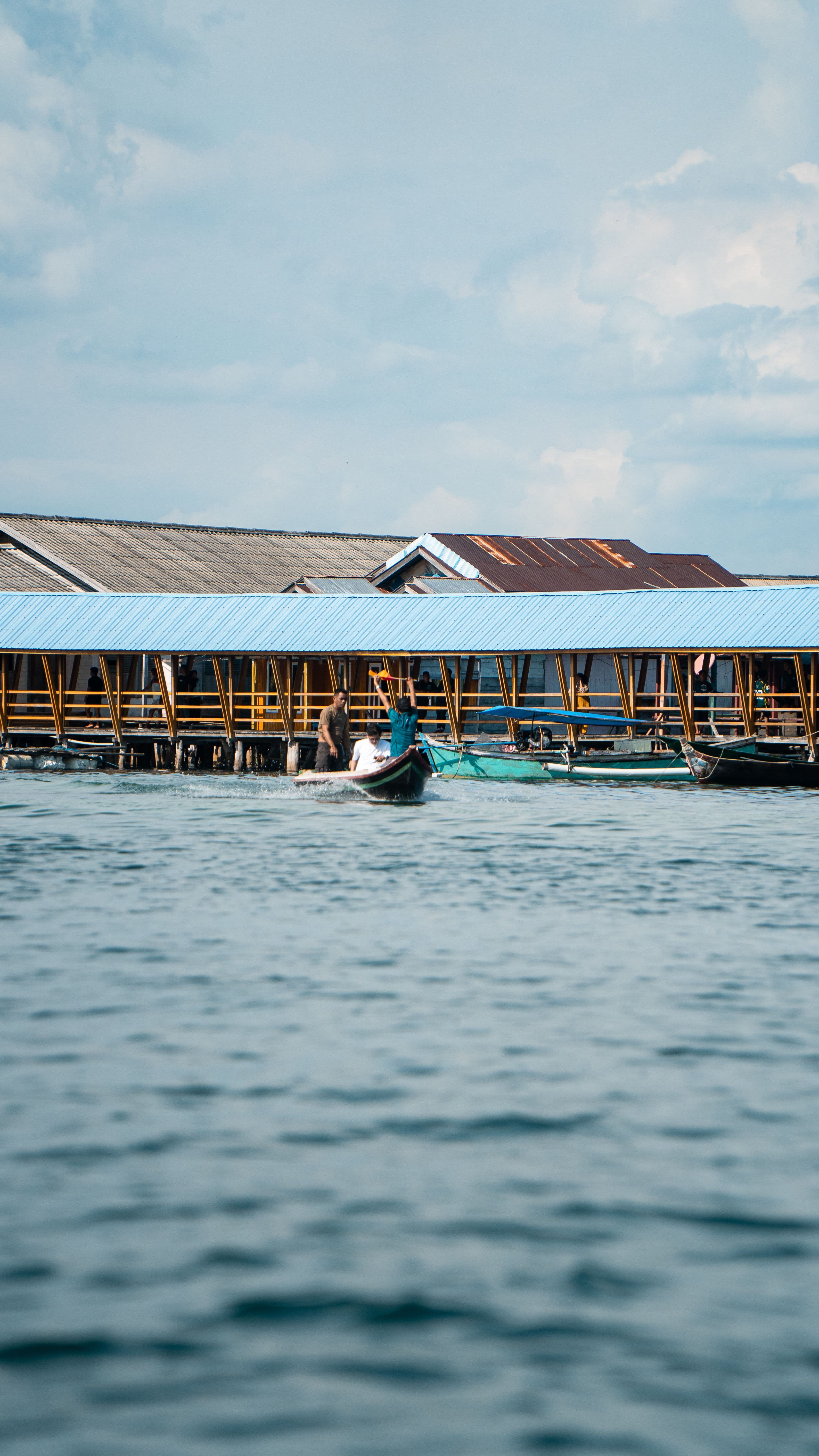
Coastal communities sustain systems far beyond the shoreline
Coastal communities contribute to fisheries, food security, maritime livelihoods, cultural continuity, and climate resilience.
Yet their health realities are often underrepresented in routine data systems. Distance, weather, transportation, environmental exposure, household income, and reliance on marine livelihoods can influence access to healthcare, medicines, nutrition, and social protection.
These realities cannot always be understood through an urban lens.
"Torosiaje is our starting point, not our endpoint."
Recent updates and research notes
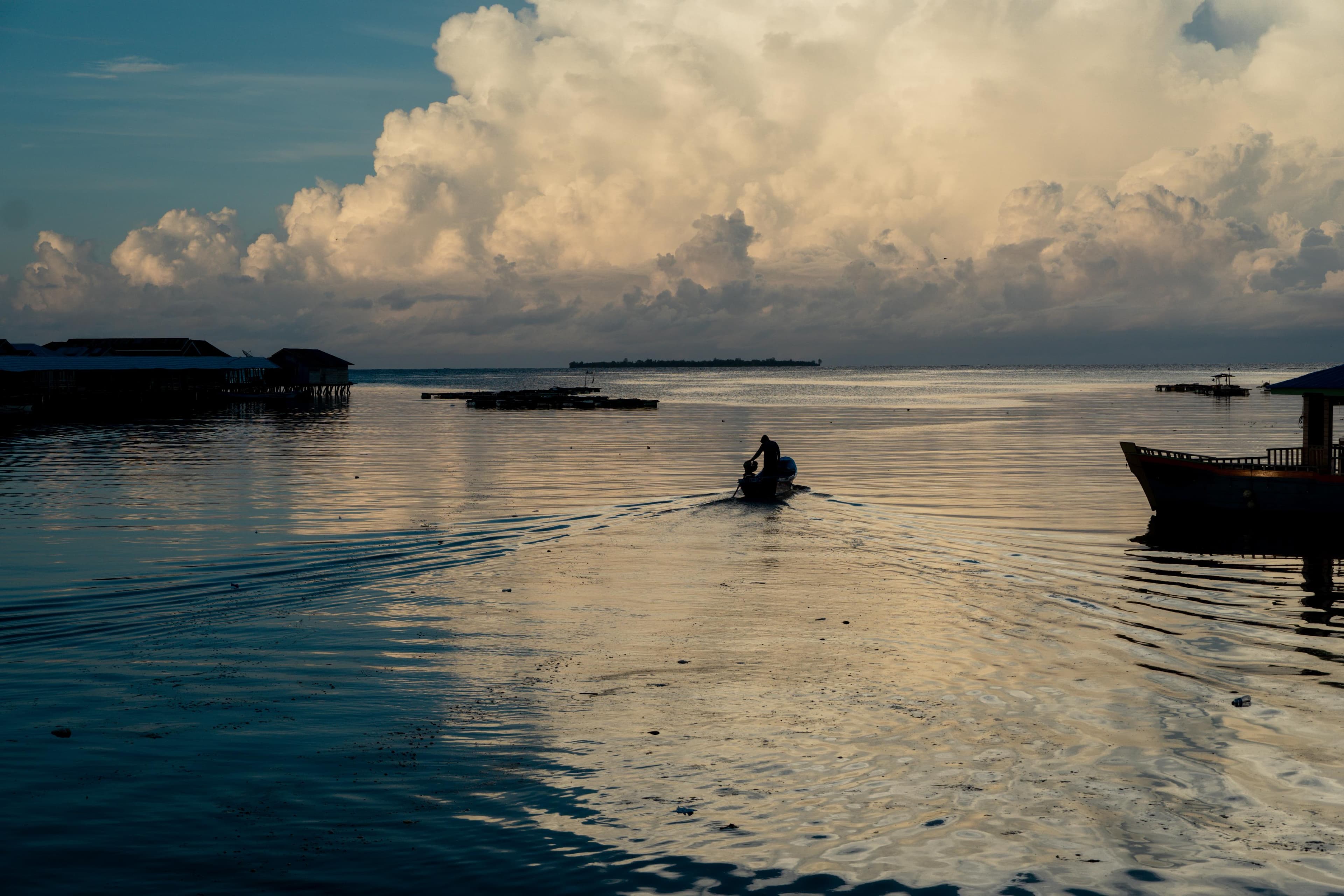
The Language of the Sea
In Torosiaje, a fisherman's ability to read the ocean is a matter of survival. Understanding this lived experience is crucial for locally grounded health research.
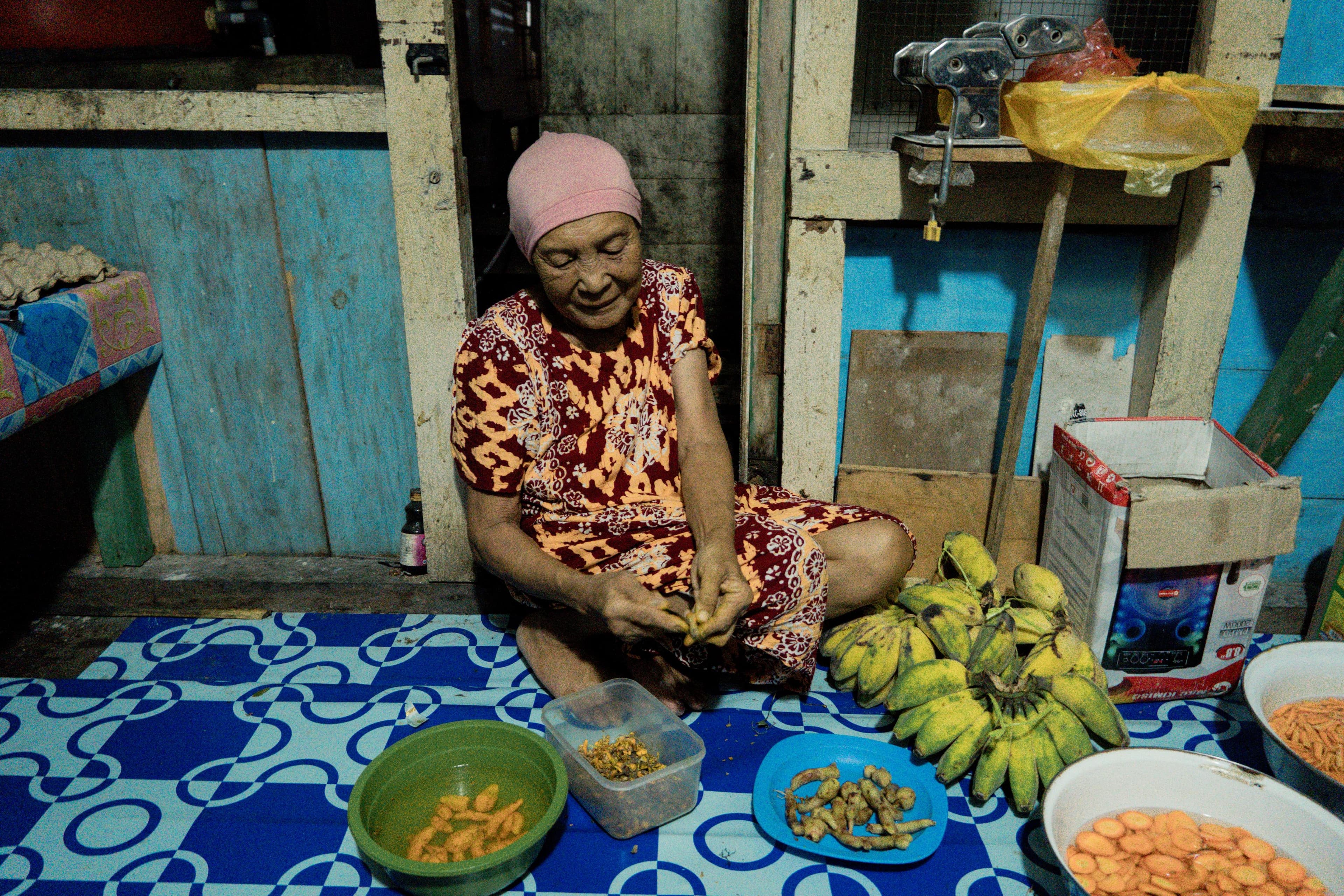
Why Coastal Communities Need Locally Grounded Evidence
Distance, weather, livelihood, and service access shape health in ways that broad statistics may fail to capture.
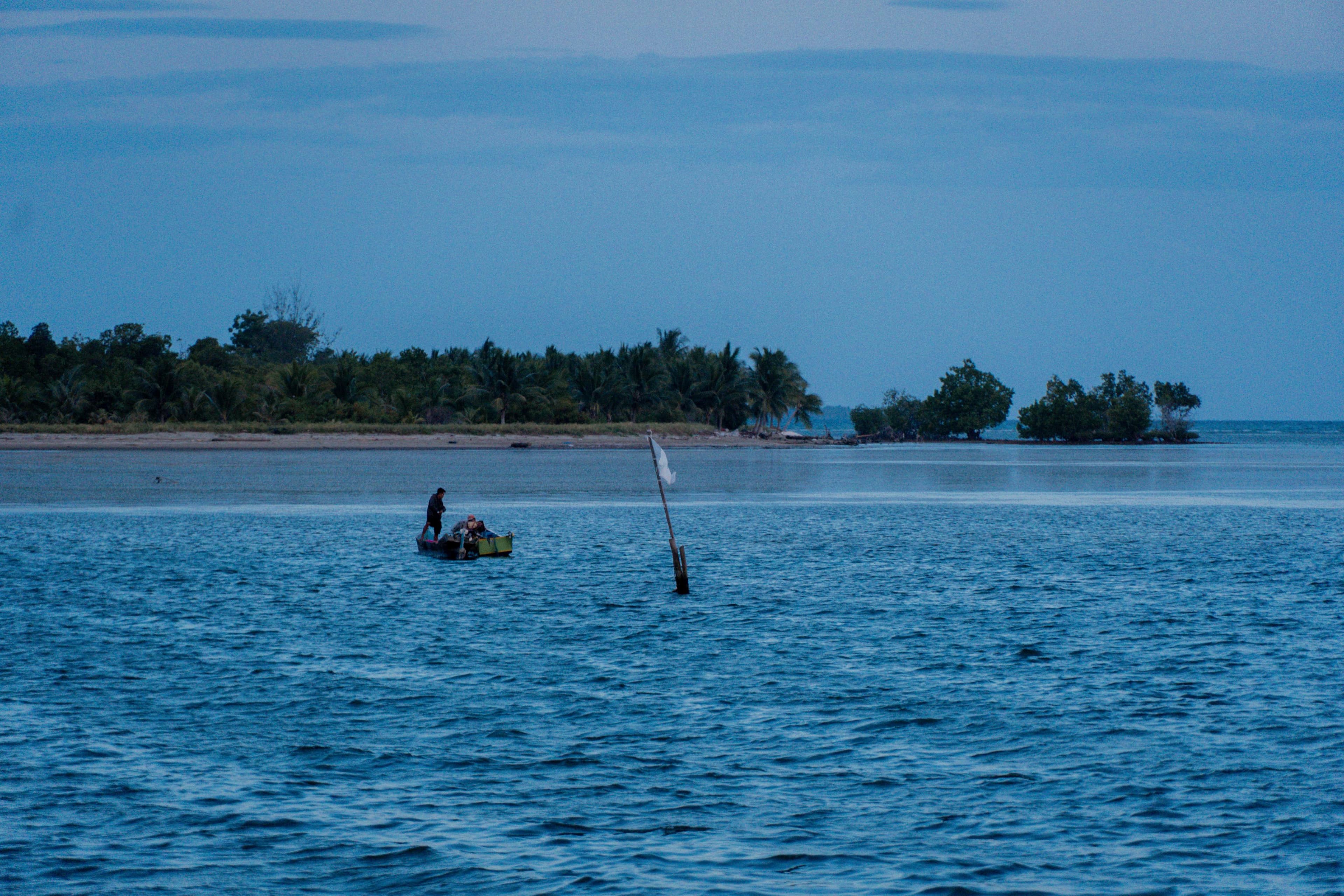
The White Flags of Torosiaje: How Simple Markers Shape A Different Perspective
In Torosiaje, white flags are vital environmental instruments. Understanding such local realities is essential for meaningful, locally grounded research.
Research grows through collaboration


Ready to collaborate?
We work with researchers, universities, healthcare professionals, public institutions, and communities seeking to strengthen coastal health evidence.
Start a conversation with SINAR Institute
Contact us regarding research collaboration, institutional partnership, community initiatives, training, scientific communication, or evidence translation.
By submitting this form, you consent to SINAR Institute processing your contact details to respond to your enquiry. We only retain information necessary for this purpose.